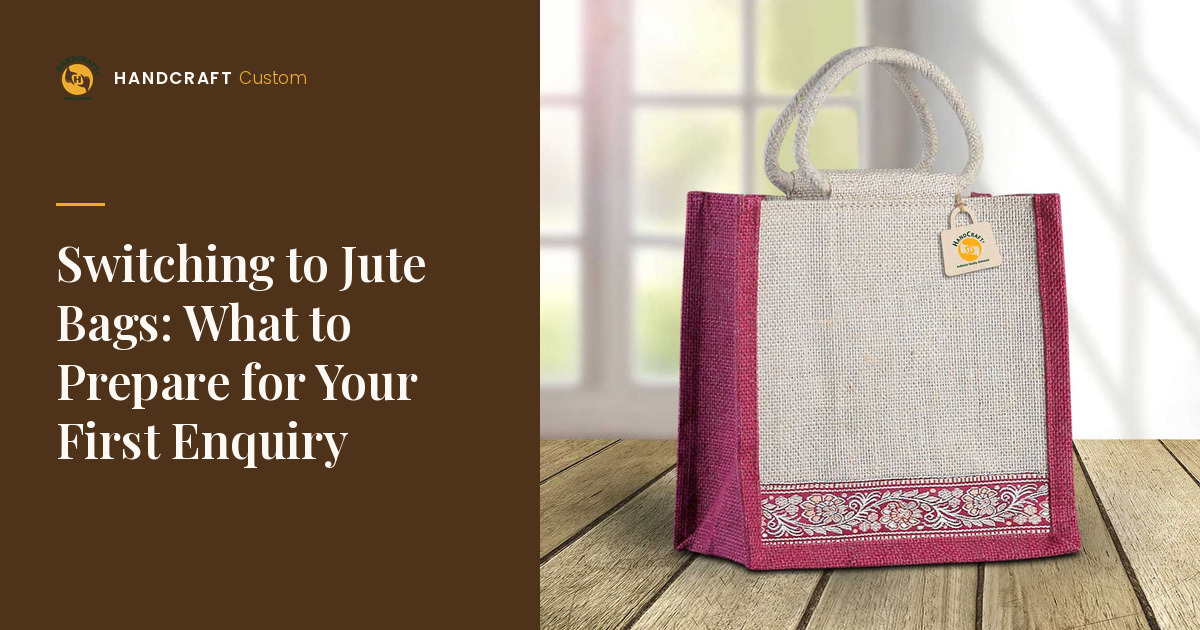
Switching to Jute Bags: What to Prepare for Your First Enquiry
Organisations often come to jute after using another bag for years, such as a non-woven polypropylene tote, a paper carrier, a cotton bag or a stock promotional bag from a local supplier. Switching is easier when the first enquiry already contains what a manufacturer needs to understand the requirement. This guide explains what to prepare. For a broader overview of buying jute bags in bulk, see the guide to buying custom jute and cotton bags in bulk; for moving away from polythene specifically, see the polythene transition guide.
1. Describe the bag you use today
Your current bag is the most useful reference you have. Note:
- material and type (for example non-woven tote, paper carrier, cotton shopper);
- dimensions: width, height and gusset;
- handle type and length;
- what people like about it, and what they complain about;
- how it is printed: number of colours, one or both sides.
Photographs with a ruler alongside are very helpful. Do not send another brand’s artwork for reproduction; share only your own branding.
2. Explain how the bag is used
Is it handed out at events, given with purchases, used in a gift programme, or carried by staff? What goes in it, and how heavy are the contents? How long should it last? A bag that carries a few brochures needs a different specification from one carrying bottles or groceries. Sharing typical contents lets HANDCRAFT suggest a suitable construction. No universal load rating applies to every bag.
3. Decide what should change and what should stay
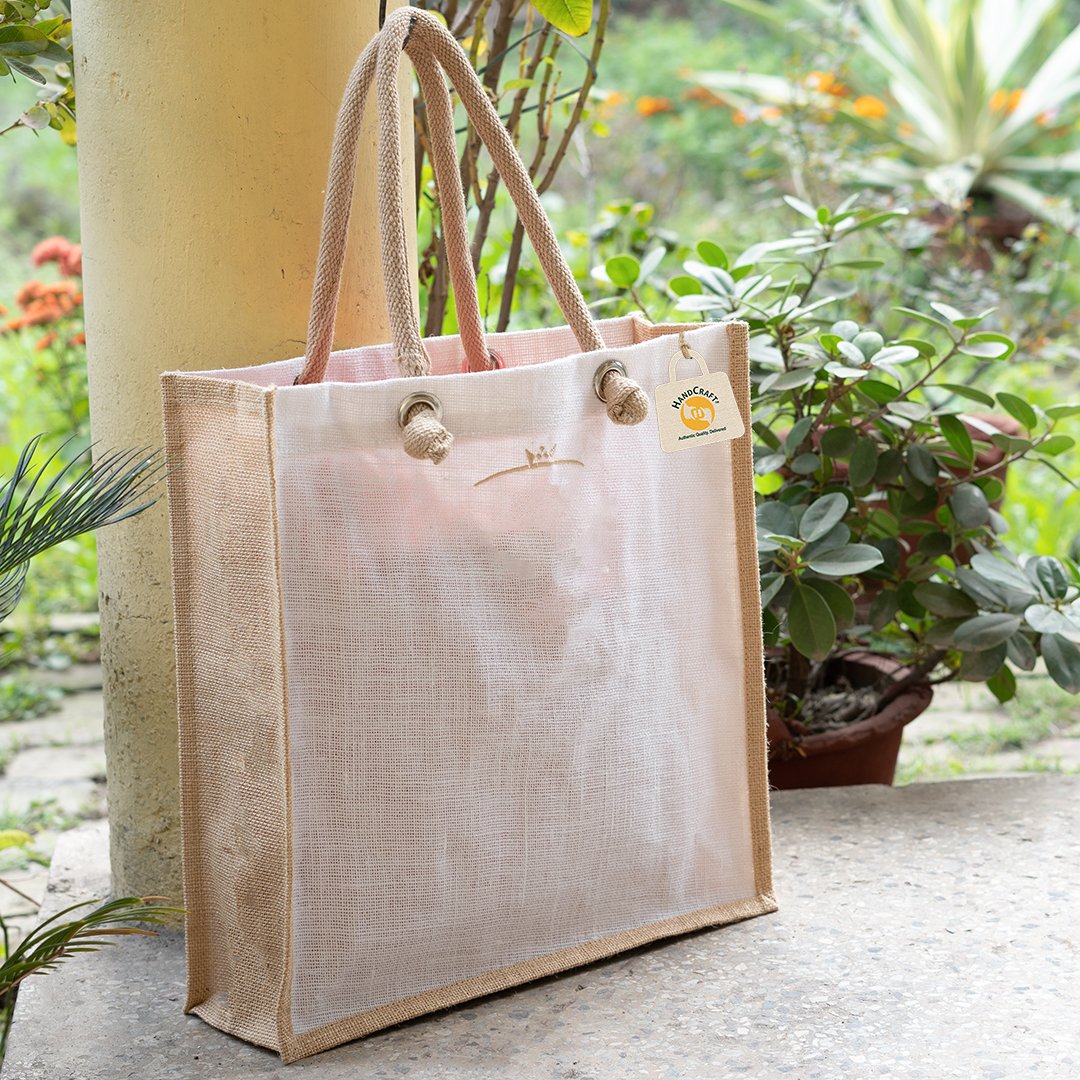
Switching material is a good moment to review the design. Some buyers keep the same dimensions so displays and packing remain unchanged. Others take the opportunity to add gussets, change to longer handles, or simplify artwork. Note which features are fixed and which are open to suggestion.
4. Consider jute, juco or cotton
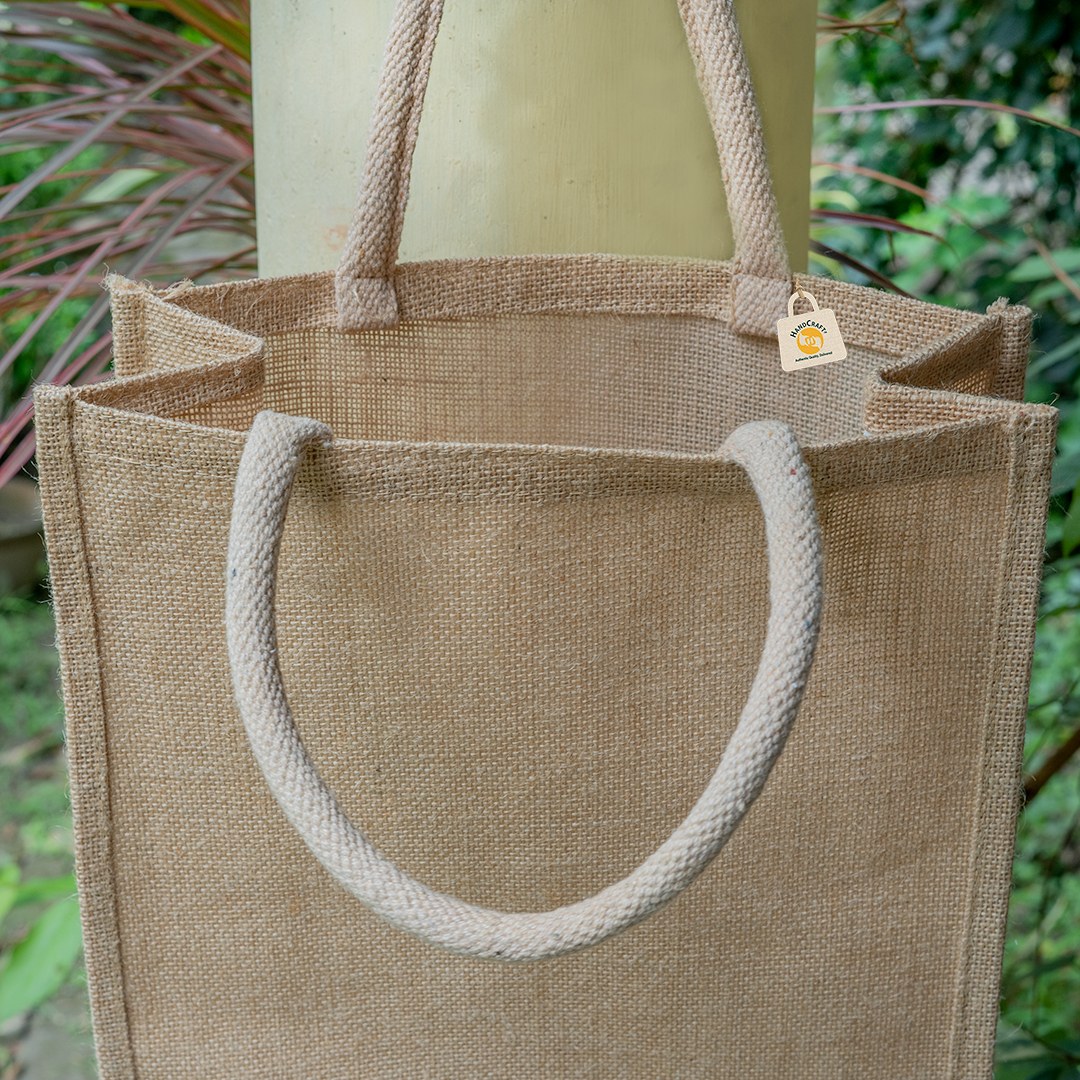
Jute has a visible, textured weave and a natural look. Juco, a jute–cotton blend, is premium and costs more than jute, with a smoother face that suits finer printing and niche gifting. Cotton is softer and lighter. If you are not sure which fits, describe the use and ask for a recommendation. See Jute Weave Explained for how fabric texture affects printing.
5. Prepare artwork properly
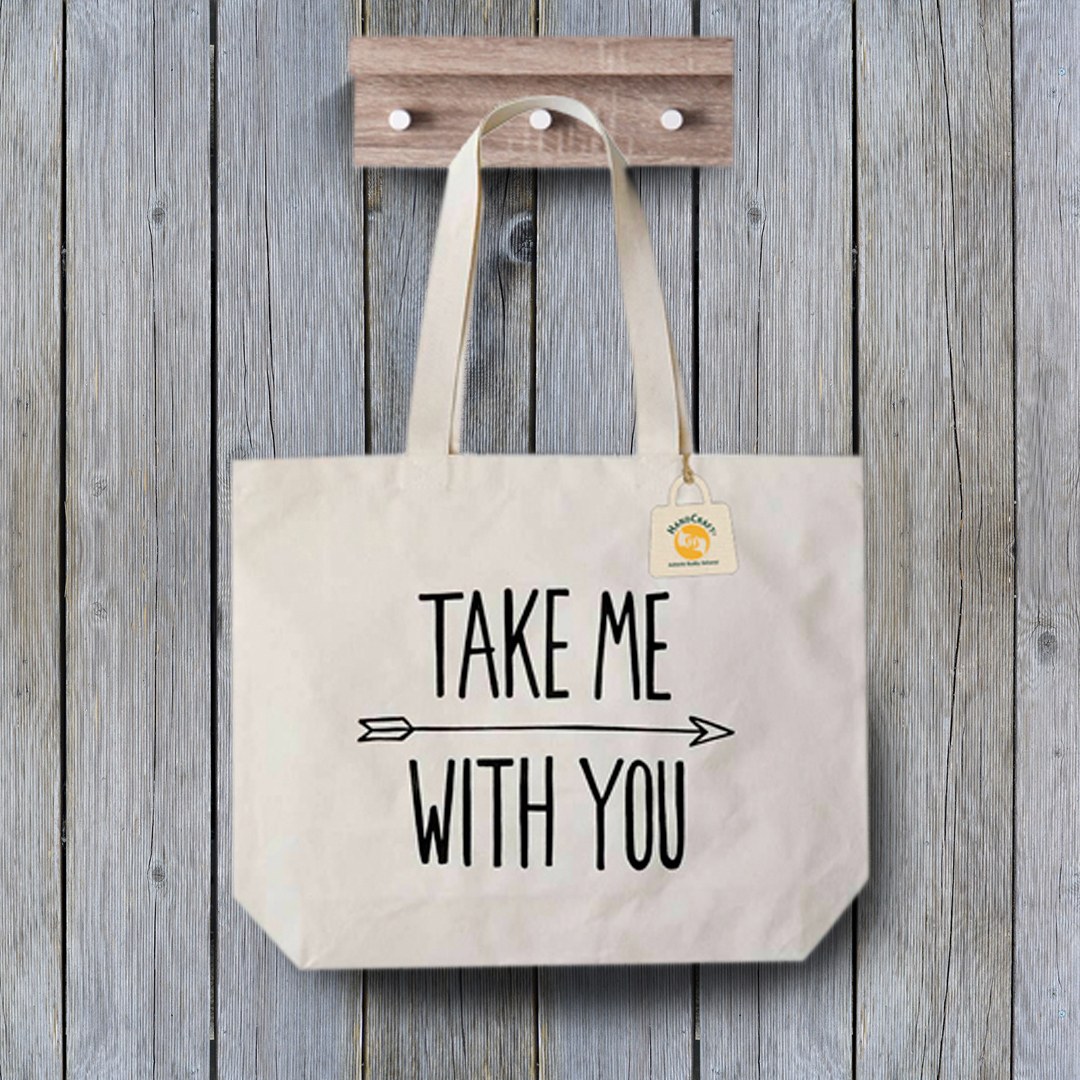
Gather vector files of your logo (AI, EPS, PDF or SVG), the colours you need (Pantone references if you have them), and the placement and size on each side. Detailed artwork that prints cleanly on smooth non-woven fabric may need simplifying for jute’s texture. HANDCRAFT uses azo-free printing inks, with the printing method confirmed for each order.
6. Estimate quantities realistically
Use your past consumption as a guide: how many of the current bags were used over the last cycle or event? Adjust for any planned changes. Mention whether you expect repeat orders, since that can affect artwork and planning decisions.
7. Fix your date and delivery details
State the date the bags must arrive, not just the event date, and the delivery address or addresses.
For international buyers, include the destination country and any import, labelling or documentation requirements your organisation must meet.
8. Check what you will say publicly
If you plan to announce the switch, keep the message factual: for example, that the organisation now uses jute bags instead of its previous bag. Avoid saying the change has a specific environmental benefit unless you have evidence for it. See Claiming Plastic Reduction for a Bag Programme.
Switching to jute bags: first-enquiry checklist
- Current bag details and photos
- Use, contents and expected life
- Features to keep or change
- Preferred material, or a request for a recommendation
- Vector artwork, colours and placement
- Quantity estimate and any repeat plans
- Required arrival date and delivery addresses
Questions buyers ask
Can we send our current bag as a reference?
Yes. Photographs and dimensions of the current bag help HANDCRAFT understand what to keep or change.
What if jute is not suitable?
Juco or cotton may fit better; see jute, juco and cotton compared.
Switching from another bag? Send photographs, dimensions, use and quantity of the current bag through the Bulk Enquiry route, and HANDCRAFT will quote a jute equivalent.