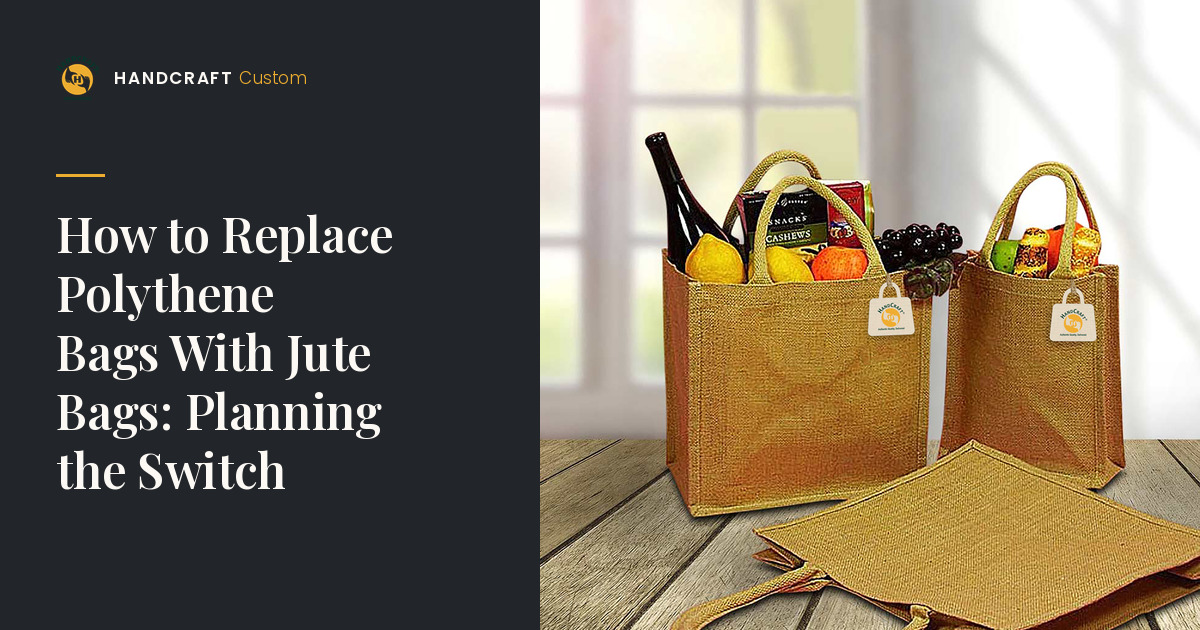
How to Replace Polythene Bags With Jute Bags: Planning the Switch
Moving from single-use polythene carry bags to reusable jute bags is a programme change. It affects how many bags you need, what they cost per piece, how they are handed out and what you tell recipients. Organisations that plan the switch carefully avoid two common problems: ordering a reusable bag in single-use quantities, and making environmental claims they cannot support. Here is how to replace polythene bags with jute bags without either mistake.
Step 1: Map how polythene bags are used today
Before choosing a jute format, document the current situation:
- Where bags are handed out: counters, events, branches, campuses, campaign sites
- What they carry: documents, packaged products, purchases, welcome materials
- Roughly how many are used per period and how many people receive them
- Whether recipients get a new bag every visit
This tells you whether you are replacing a bag-per-transaction habit or providing one durable bag per person.
Step 2: Decide the new model
A reusable jute bag works well when each recipient is expected to keep and reuse it. That usually means fewer bags than the polythene volume, given to a defined group such as employees, members, delegates or regular clients, rather than handed out freely. Write down who receives a bag, how often and under what circumstances.
Step 3: Choose a format that matches the contents
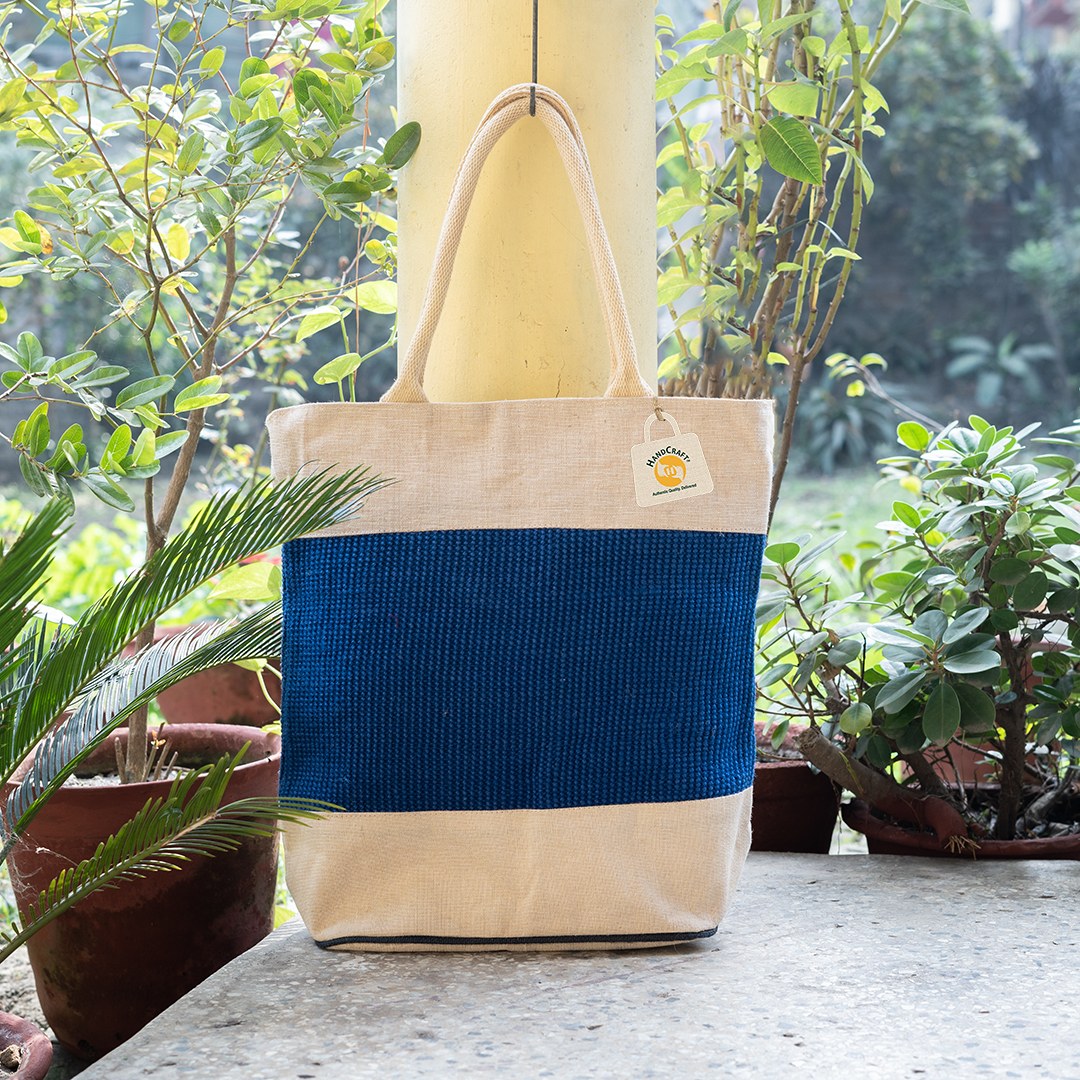
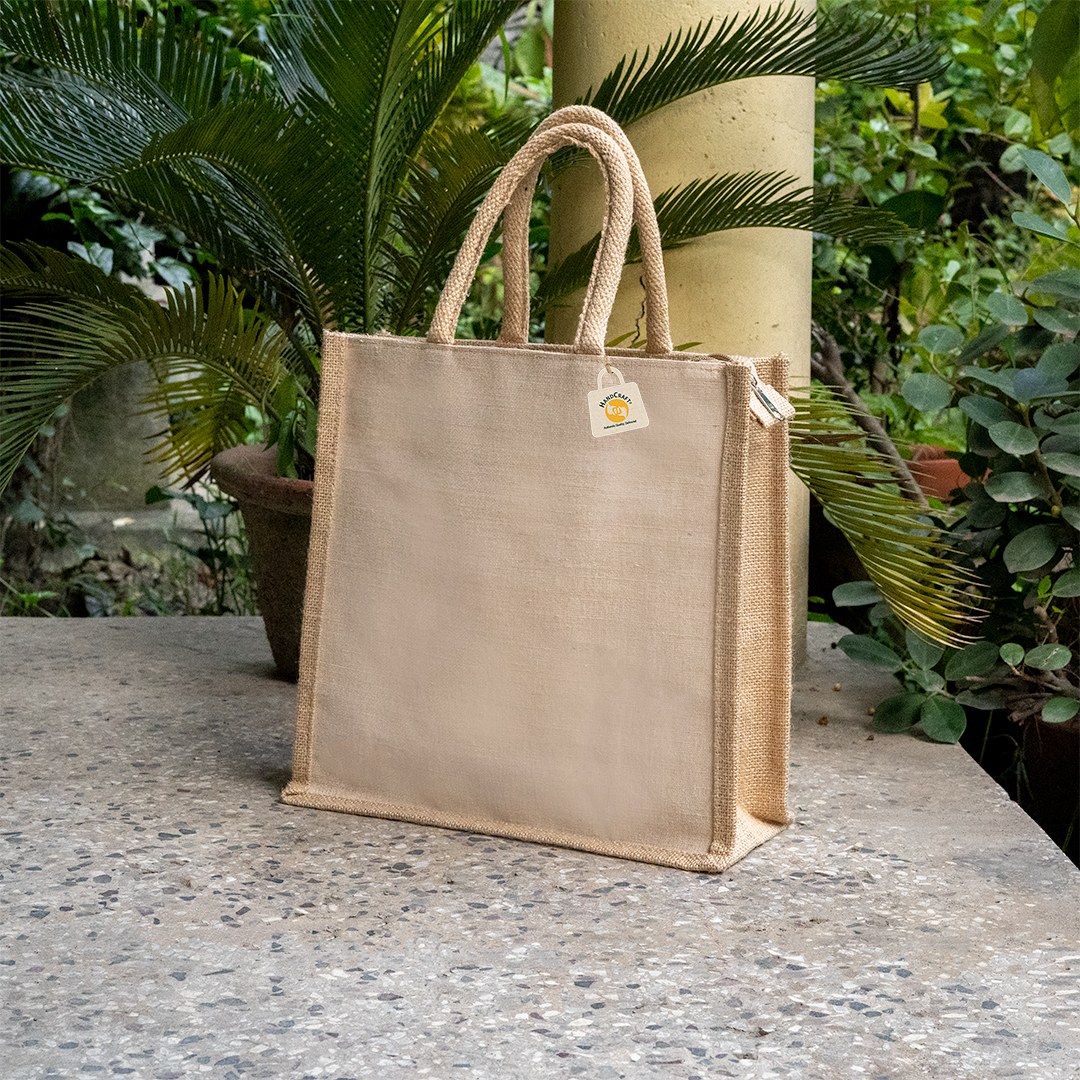
Match the bag to what people carry. Box-style Tesco jute bags (HANDCRAFT’s name for a side-gusset style, with no connection to the retailer) offer volume. Plain totes from the Natural Plain Jute Bags range suit general carrying. Jute reusable bags cover everyday shapes. Specify size, handles and gussets against real contents.
Step 4: Plan quantity and timing
Because the bag is meant to last, quantity follows the number of recipients plus a reasoned spare allowance, not the old polythene count. Usual delivery guidance is 2–4 weeks, depending on quantity and printing. Dyeing, if used, adds two weeks and extra charges. Build the switch date around a confirmed arrival date, and plan how existing polythene stock will be used up or retired.
Step 5: Explain the change honestly
Recipients respond better to a clear reason and practical guidance than to slogans. Useful messages are specific: “this bag is yours to reuse”, or “bring it on your next visit”. Avoid claiming that the switch eliminates plastic or halves your footprint unless you have measured it. Whole-bag details such as laminations or windows also matter. See Is a Jute Bag Really Eco-Friendly? for the assessment method.
Checklist to replace polythene bags with jute bags
- Current polythene use mapped
- Recipient model defined (one bag per person or per visit)
- Format chosen against real contents
- Quantity based on recipients, not old bag count
- Arrival date and stock changeover planned
- Recipient message drafted without unsupported claims
Staff briefing
Counter staff answer most customer questions. Brief them on the new bag, whether it is given free or sold, how it should be cared for and what to say if asked about its materials. A one-page note avoids inconsistent answers. Update it whenever the bag, price or policy changes, and include it in new-staff induction.
Questions buyers ask
Do we need as many jute bags as we used polythene bags?
Usually far fewer, because reusable bags are given deliberately rather than per transaction. Base the quantity on recipients, not past polythene volumes.
Can we say the switch has cut plastic waste?
Only with evidence. See evidence for plastic-reduction claims.
Planning the switch? Share how the current bags are used, the contents, expected recipients and start date through the Bulk Enquiry route, and HANDCRAFT will recommend a format and quote.