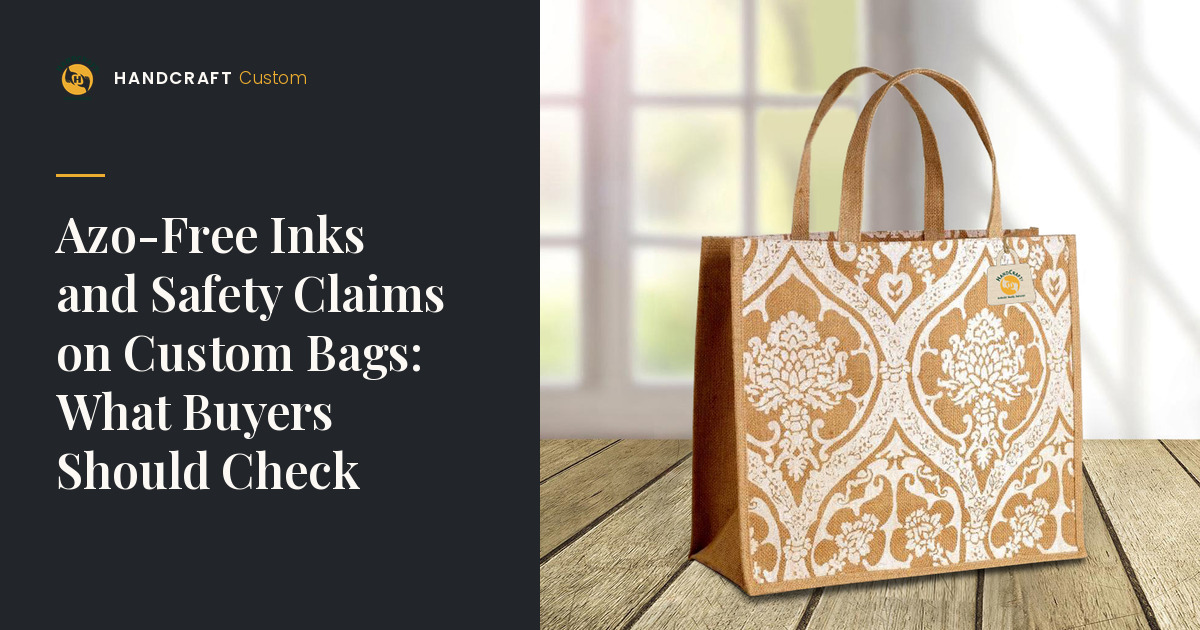
Azo-Free Inks and Safety Claims on Custom Bags: What Buyers Should Check
Material and printing claims matter when a bag carries your organisation’s name. HANDCRAFT confirms the use of azo-free printing inks and dyes. That statement has a defined scope: it does not establish the safety, certification or suitability of every component in the finished bag. This guide helps buyers separate confirmed facts from claims that need further evidence.
What HANDCRAFT confirms
HANDCRAFT uses azo-free printing inks and dyes. This is a statement about the colourants used; it is not a claim that the finished bag is organic, food-safe or certified. If your organisation needs a particular test or document, specify the requirement and destination in the enquiry so availability can be confirmed for the order.
What azo-free does not establish
- It does not make a bag organic. That relates to fibre cultivation and certification.
- It does not make a bag food-safe or suitable for direct food contact.
- It does not prove the bag is non-toxic in every respect, since other components and finishes exist.
- It is not a certification unless supported by a specific certificate or test report for your order.
Natural colour: a simple, accurate description
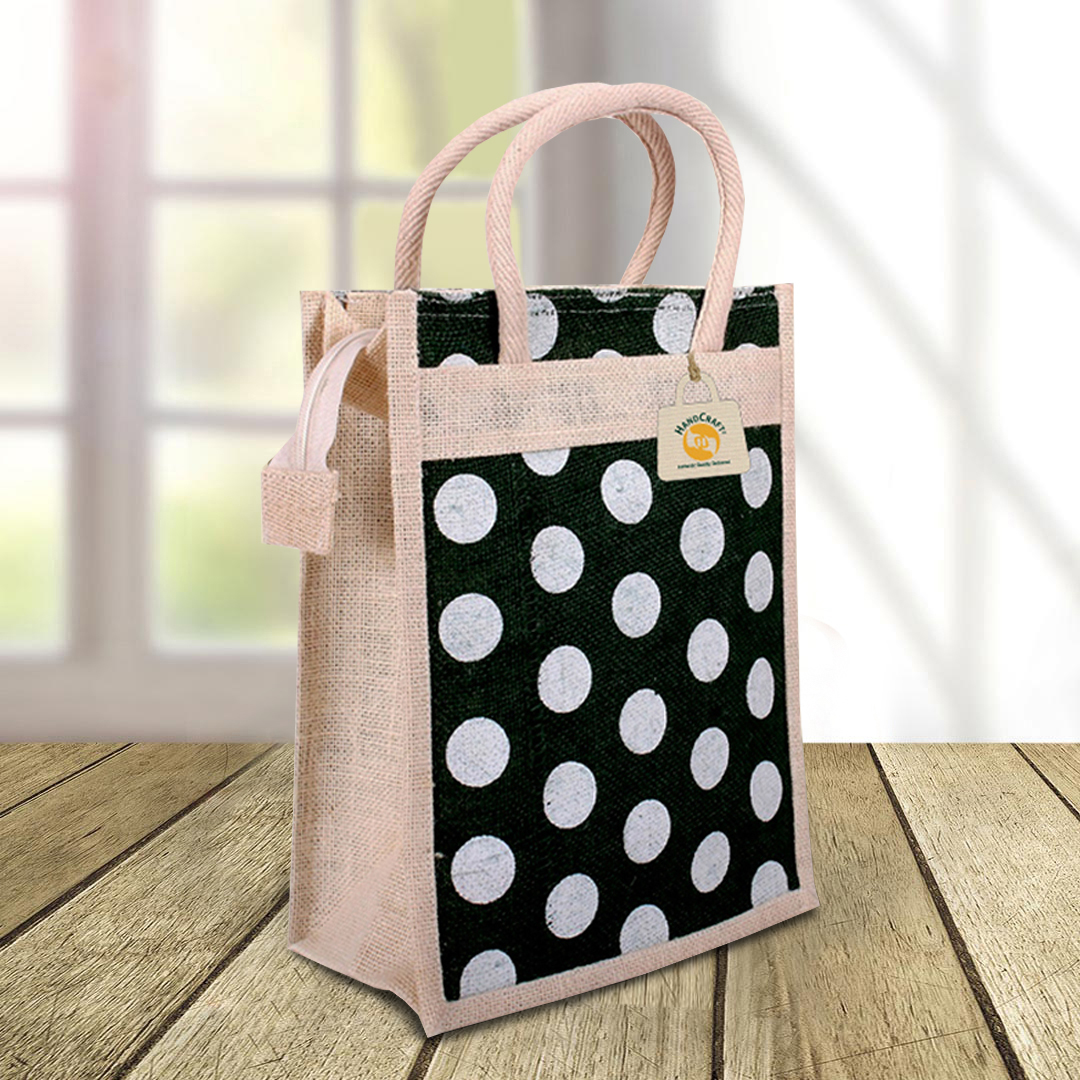
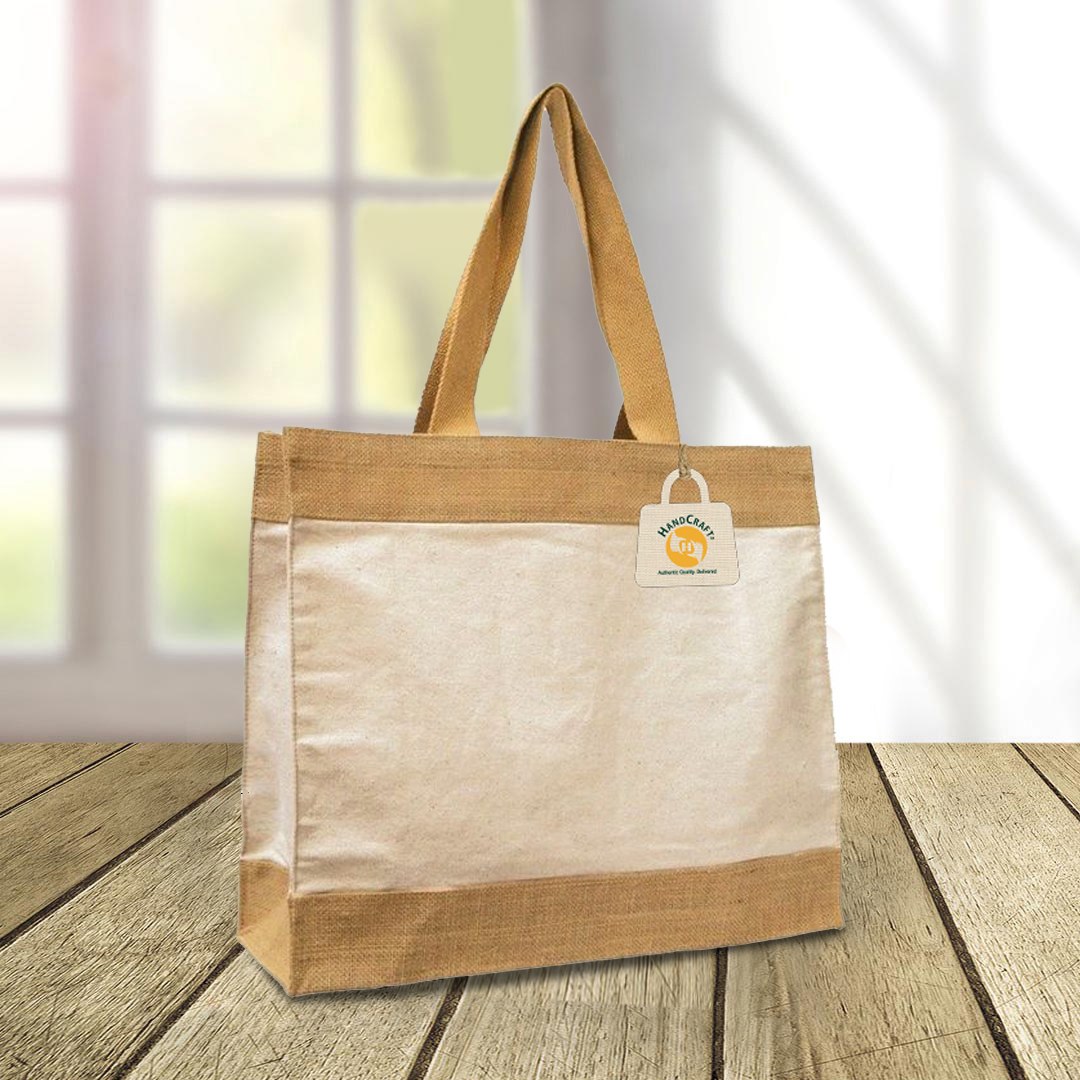
Natural colour means undyed fabric. For buyers who want to minimise colourant use, choosing natural colour for the body is straightforward and easy to describe truthfully.
Other components to consider
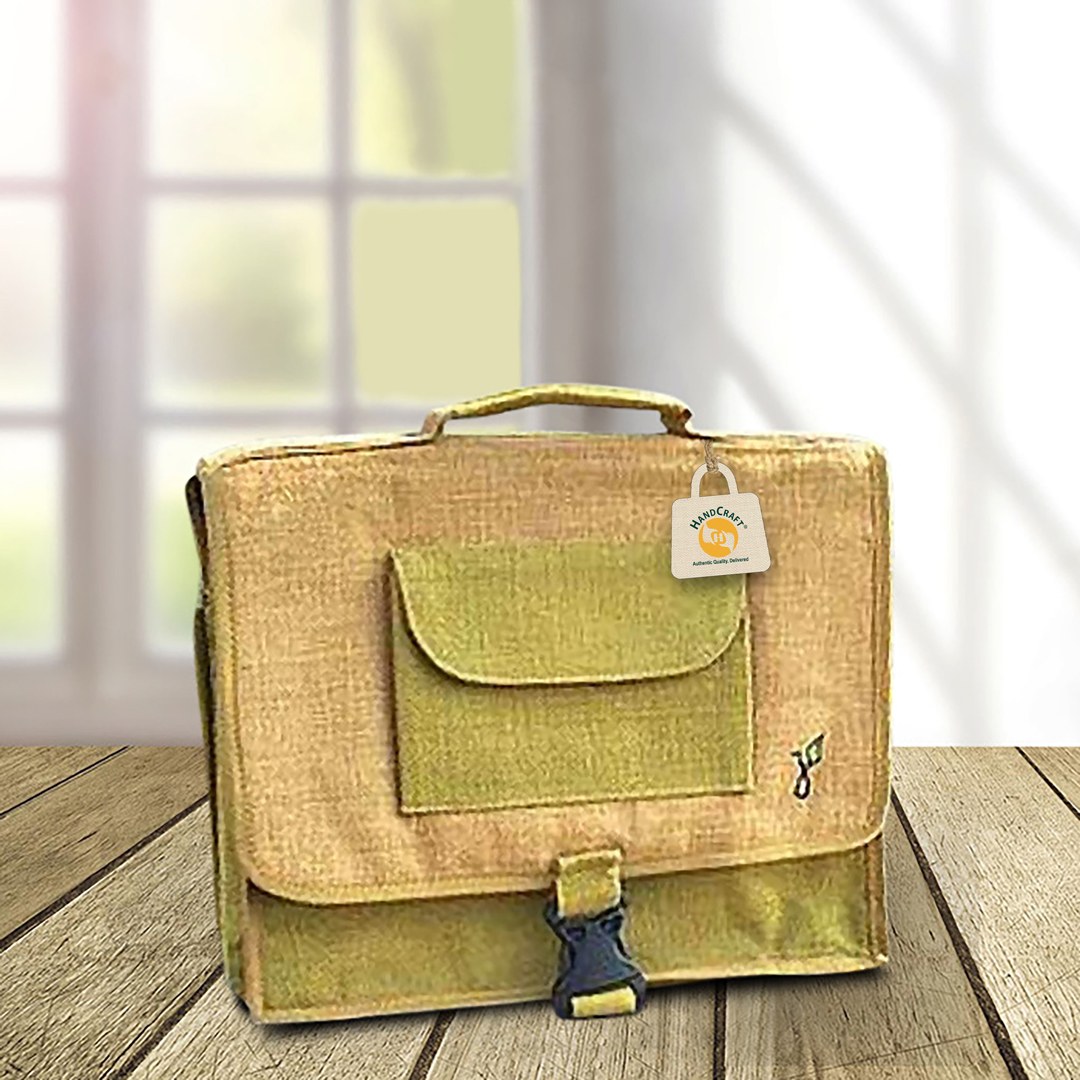
The whole bag includes more than fabric and ink: laminations, linings, windows, handles, zips and trims. If your programme has specific requirements, for example items for children or bags that carry packaged food, state them in the enquiry so the relevant components can be discussed.
Destination requirements
Some markets restrict certain substances in textile products, and some buyers require test reports. If your destination or internal policy requires documentation, raise it at enquiry stage. Do not assume a particular certificate or test is included. HANDCRAFT will advise what can be provided for the specific order.
Food and gifting programmes
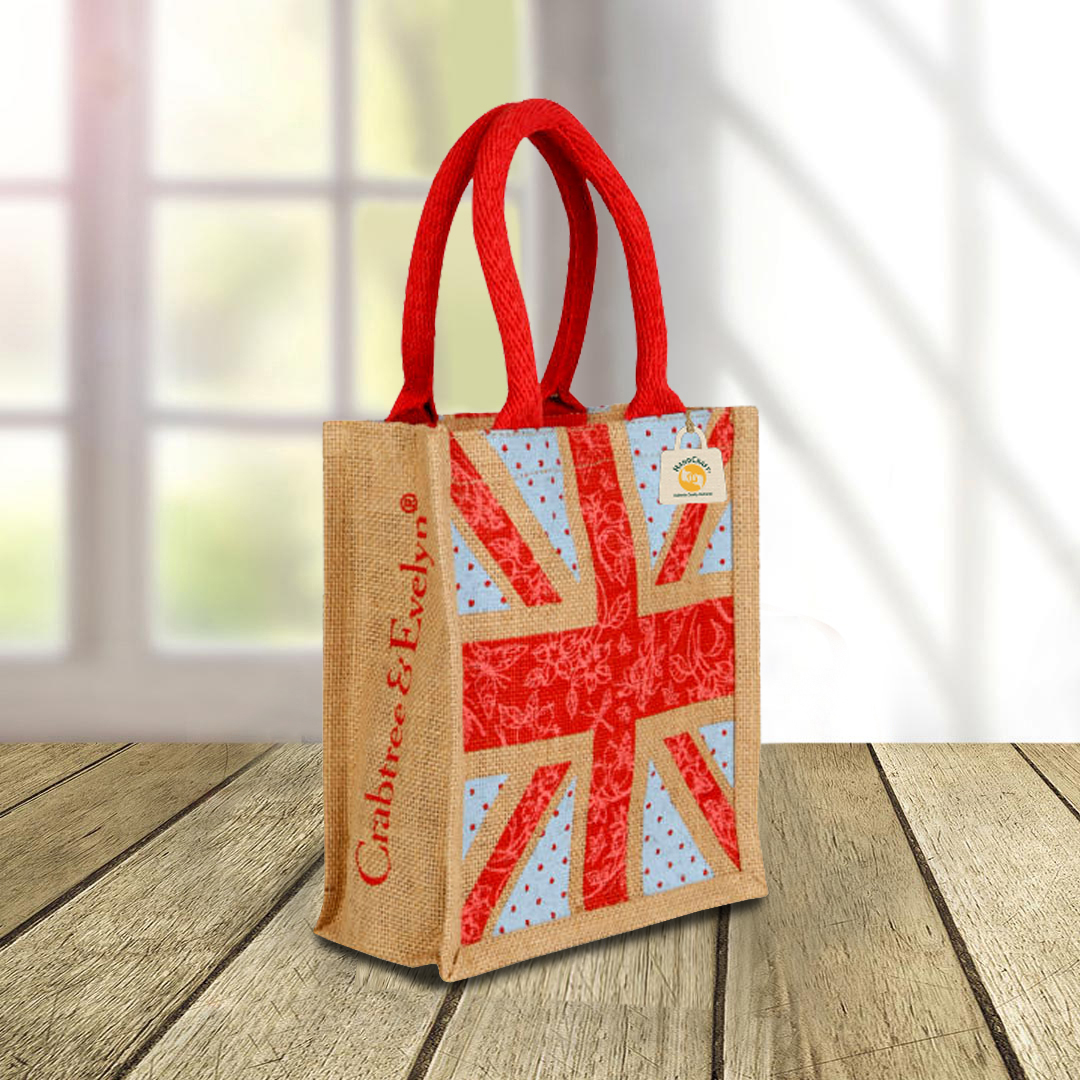
Many food and hamper brands use jute bags as outer packaging for already-packaged tea, coffee, sweets or other products. The bag should be described as an outer carrier, not as food packaging, unless a food-contact suitability is specifically established for the product.
A checklist for safety and material claims
- Use “printed with azo-free inks” as confirmed
- Describe natural colour as undyed
- Avoid organic, food-safe, non-toxic or certified claims without evidence
- List any lamination, lining or window in the specification
- State destination or policy documentation needs at enquiry
For environmental claims, see Is a Jute Bag Really Eco-Friendly?
Questions to ask before making a claim
- Which exact statement do we want to make, and where?
- Does it cover the inks only, the fabric or the whole bag?
- Is there a document for this specific order that supports it?
- Does the destination market have rules on this kind of claim?
Need to confirm materials for a sensitive programme? List the claims you need to make and the destination through the Bulk Enquiry route, and HANDCRAFT will confirm what can be supported before quoting.