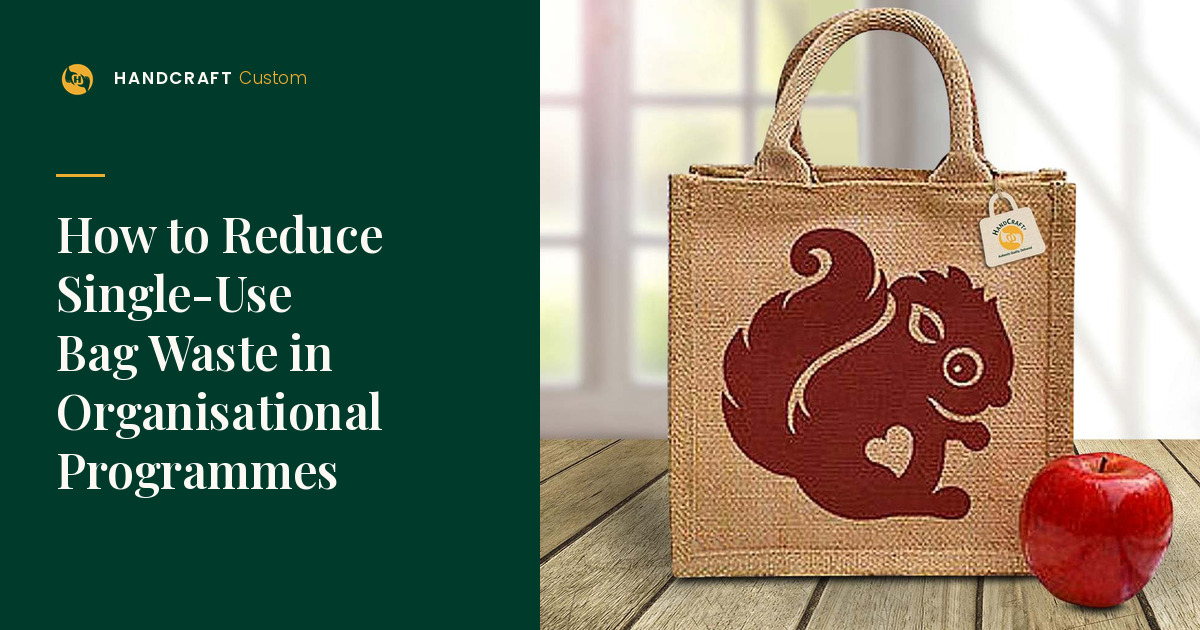
How to Reduce Single-Use Bag Waste in Organisational Programmes
Single-use carrier bags accumulate quickly at conferences, event registration desks in branches, campus events and promotional campaigns. Reducing that waste is a practical operational goal for many organisations, and it needs more than swapping one bag for another. This guide sets out a practical approach, with realistic expectations about reuse and disposal.
Step 1: Audit where single-use bags appear
List every point where your organisation hands out or uses disposable bags: registration desks, branch counters, sample distribution, internal mail and events. For each, note roughly how many bags are used and what they carry. Some uses may not need a bag at all.
Step 2: Remove unnecessary bags first
The lowest-waste bag is the one not issued. Ask whether materials could be digital, handed over without a bag, or collected in a bag participants already have. Removing bags where they add nothing is quicker and cheaper than replacing them.
Step 3: Replace the rest with reusable bags given deliberately
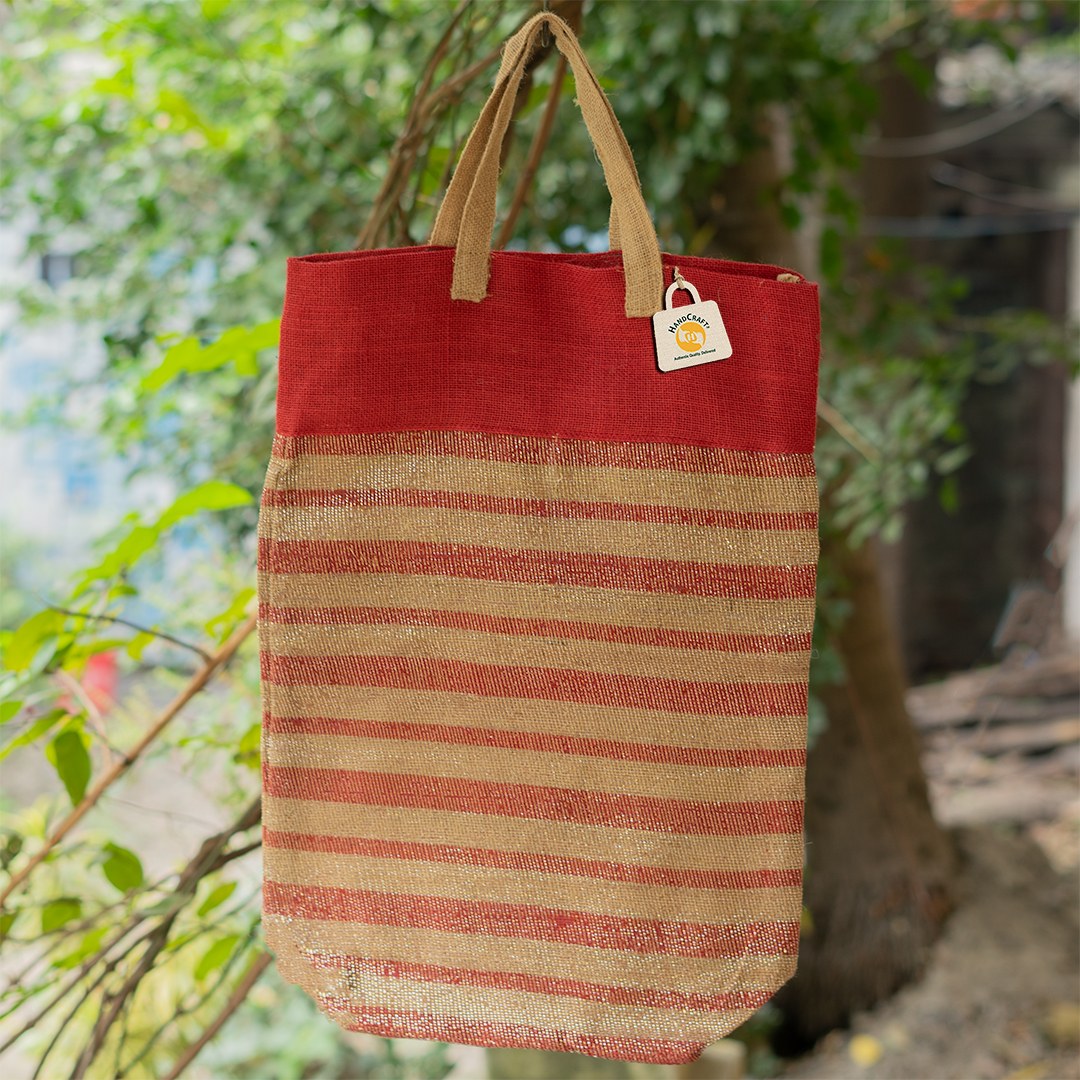
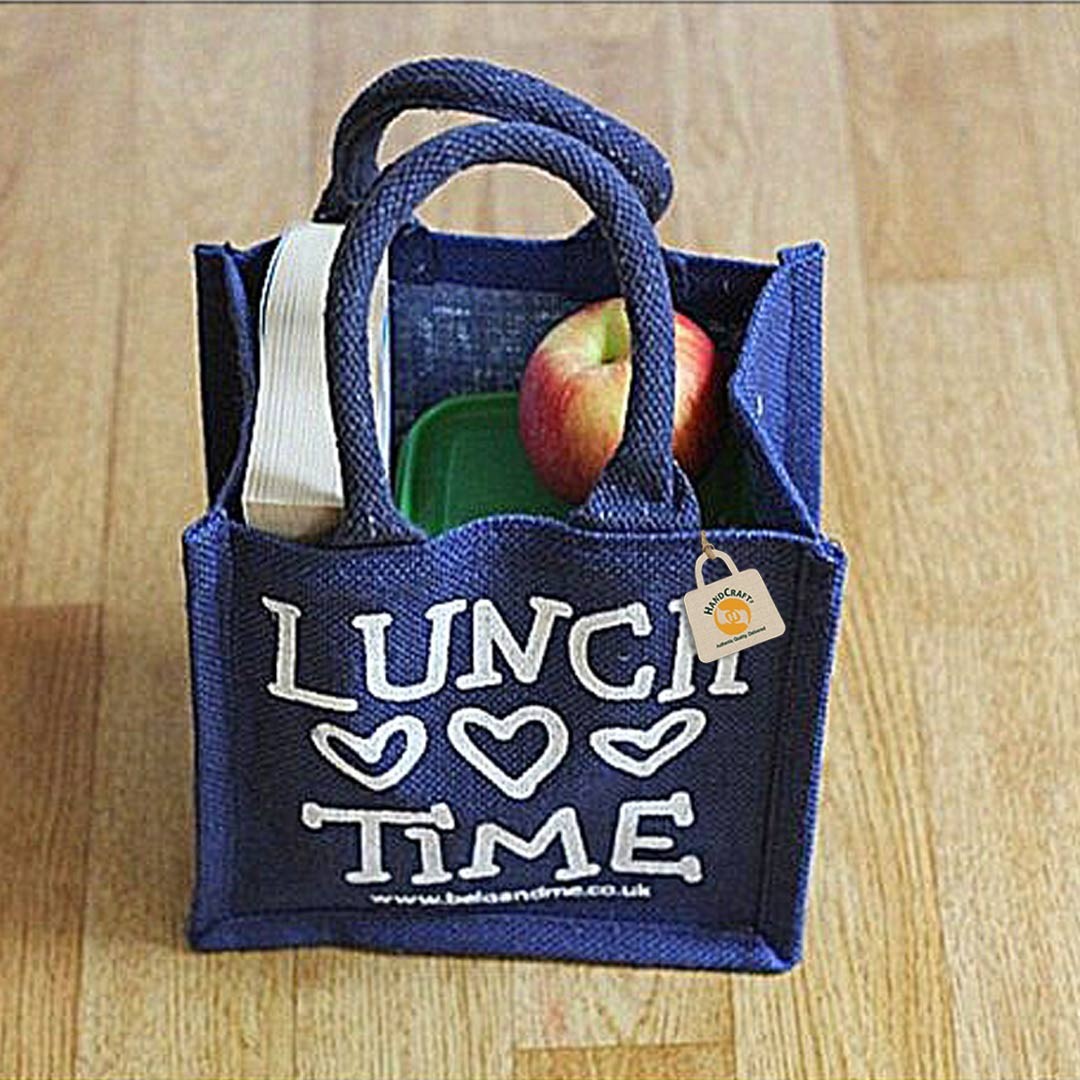
Where a bag is genuinely needed, a reusable bag given once to each person, such as an employee, member or regular delegate, can replace repeated single-use bags. The key is distribution: one durable bag per person, with encouragement to bring it back, rather than unlimited free handouts. See Replacing Polythene Carry Bags With Jute for planning the switch.

Step 4: Choose construction with end-of-life in mind
A reusable bag eventually reaches the end of its life too. Unlined natural fabric is simpler to deal with than a bag with laminations, windows or synthetic trims, but disposal still depends on local facilities. Do not promise recipients that a bag will compost or recycle everywhere. Check local collection rules for your locations. The full method is in Is a Jute Bag Really Eco-Friendly?
Step 5: Communicate practically
Short, practical messages work better than alarm: “Keep this bag for your next visit,” or “Bring your bag to the conference each day.” Avoid unsupported statistics about plastic harm and medical claims. If you cite figures in campaign material, use a credible current source.
Step 6: Track and adjust
Record bags issued and, where feasible, signs of continued use, then adjust next time. For evaluation methods, see How to Judge Whether Promotional Jute Bags Are Working.
Checklist to reduce single-use bag waste
- Single-use bag points audited
- Unnecessary bags removed
- Reusable bags issued deliberately, one per person
- Construction chosen with end-of-life in mind
- Practical, accurate communication
- Results recorded for next time
Usual delivery guidance for custom bags is 2–4 weeks, depending on quantity and printing.
Where single-use bags hide
Audits often find bags in places teams do not expect: canteen takeaways, event registration desks, gift dispatch, sample handouts, office stationery and programme distribution points. Walk through each process and note where a bag is used, why and how many. Some uses can be removed entirely; others need a reusable alternative. Ask the teams who run each process; they usually know where bags are used out of habit rather than need.
Questions buyers ask
Should we hand a reusable bag to everyone?
No. Give them deliberately where use is likely; blanket distribution can create its own waste.
How do we report progress?
Report actions and verified figures. See evidence for plastic-reduction claims.
Ready to replace the bags you still need? Send the uses, contents and quantities through the Bulk Enquiry route for an individual quotation.