
Switching to Jute Bags: What to Prepare for Your First Enquiry
If your organisation already uses another bag and wants to switch to jute, a well-prepared first enquiry saves time. Here is what to gather before you send it.
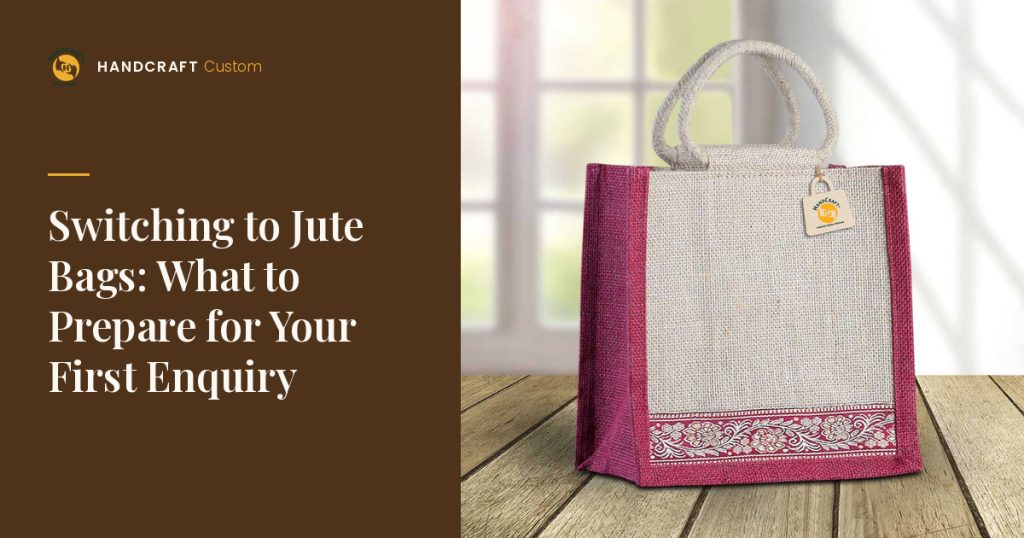
If your organisation already uses another bag and wants to switch to jute, a well-prepared first enquiry saves time. Here is what to gather before you send it.
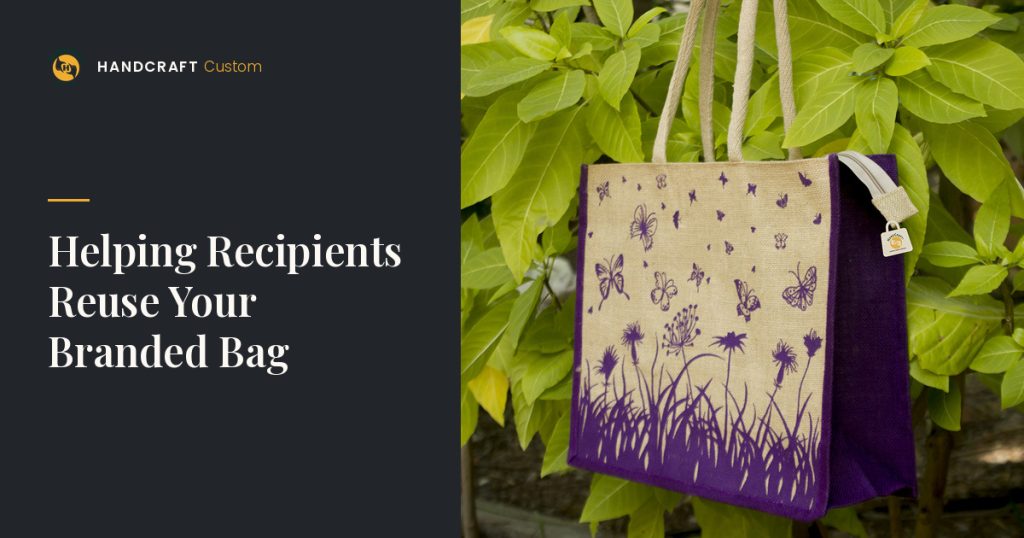
A branded bag keeps working for your organisation only if recipients keep using it. This guide covers what makes people reuse a bag and what care information to provide with it.
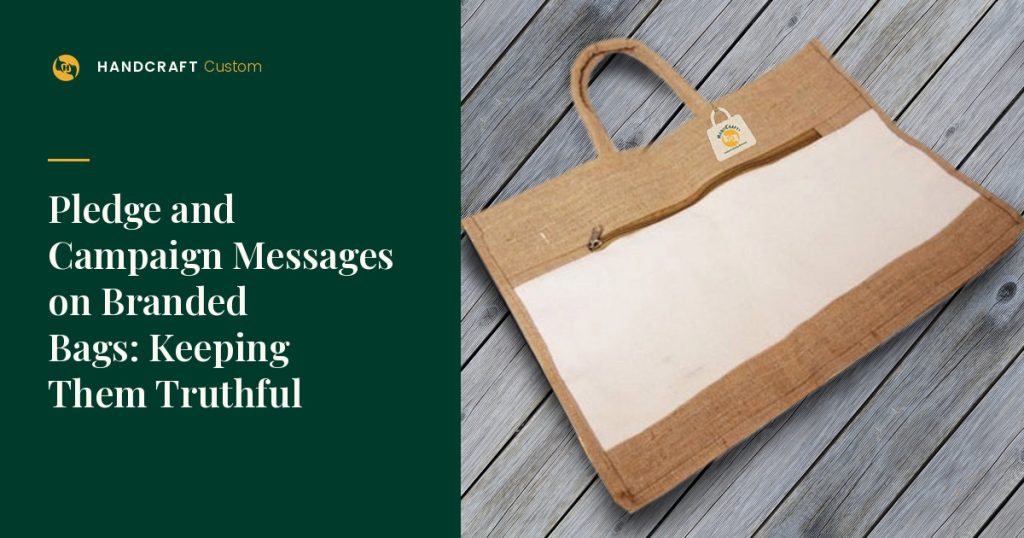
A pledge or campaign line on a bag can carry a message a long way, but it must be accurate. This guide shows how to word environmental and campaign messages without overclaiming.
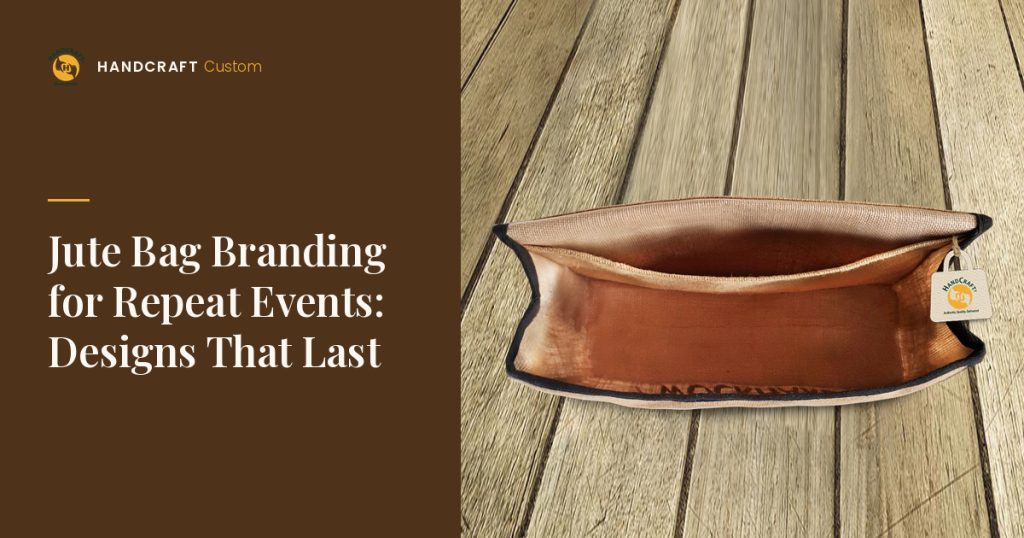
Plan branding for recurring conferences, trade shows and onboarding programmes. Separate permanent artwork from changing details and keep clear records for future quotations.
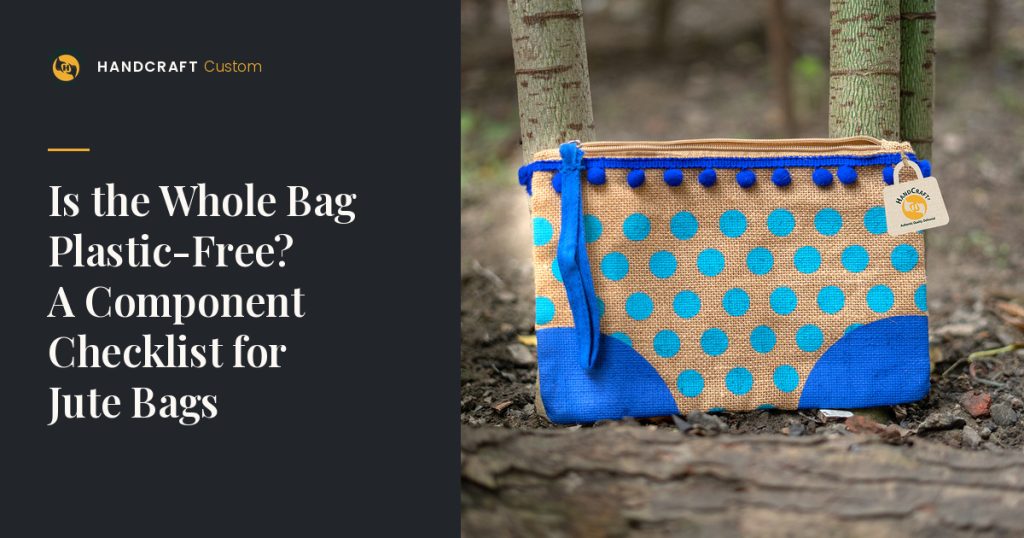
Jute is a natural plant fibre, but a finished bag can include other materials. This checklist covers each component to review before you describe a bag as plastic-free.
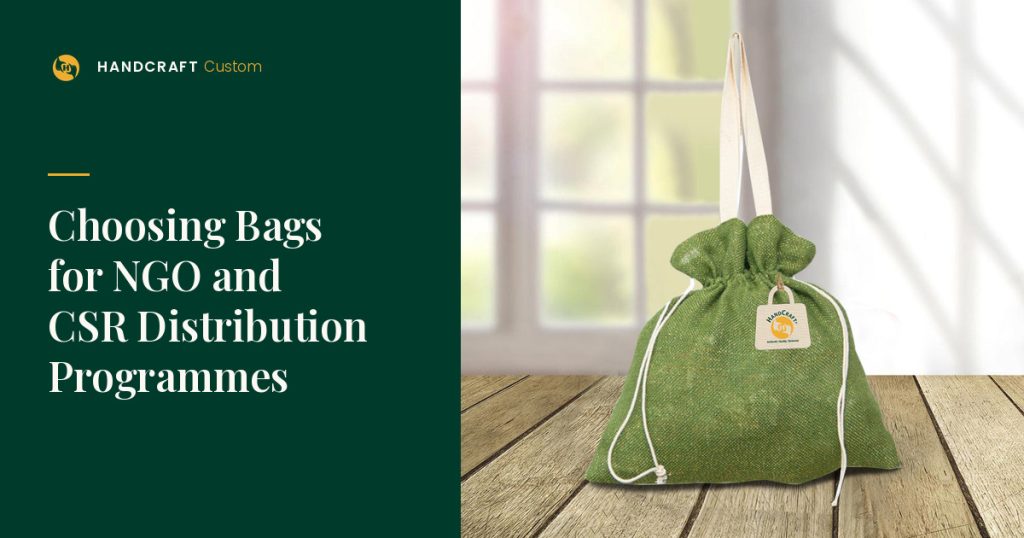
NGO and CSR teams often distribute kits in bags: school supplies, hygiene kits, saplings or awareness materials. This guide covers choosing a bag that suits the contents, handling and schedule.
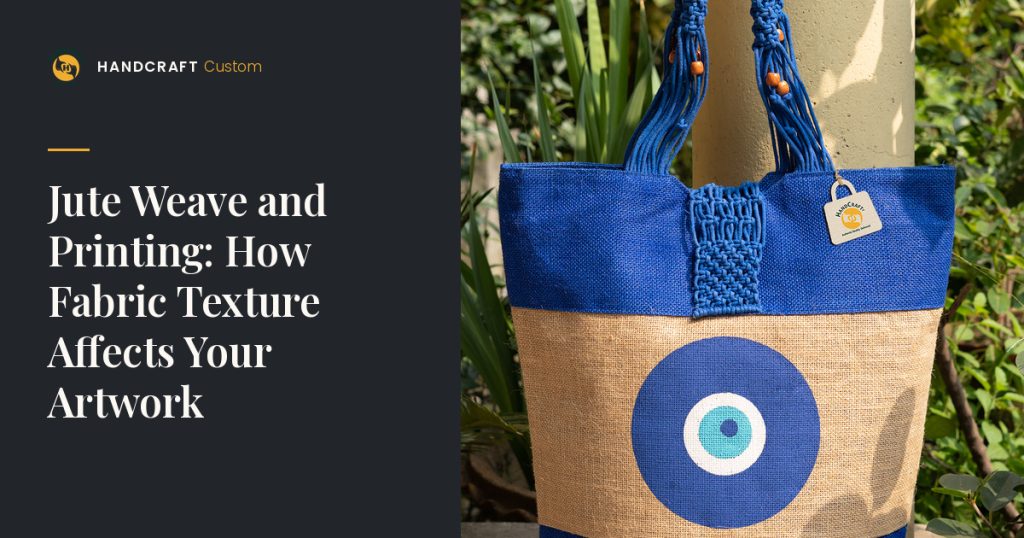
Jute’s visible weave gives it a natural look, but it also affects how artwork prints. This guide explains what reproduces clearly on jute and how to adapt designs that need finer detail.
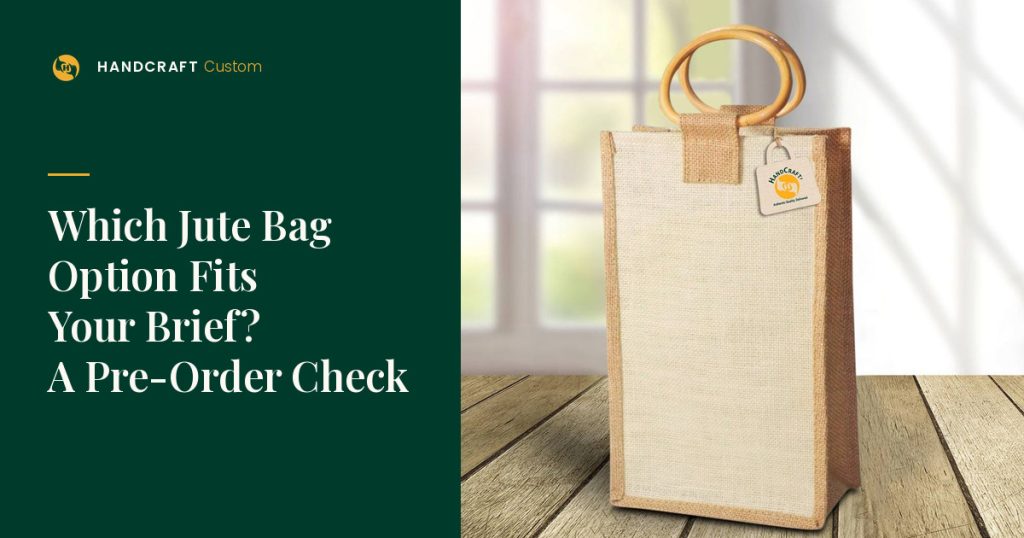
Before you confirm a bulk order, run the chosen bag against your brief one more time. This pre-order check covers contents, size, handles, closure, print, timing and delivery.
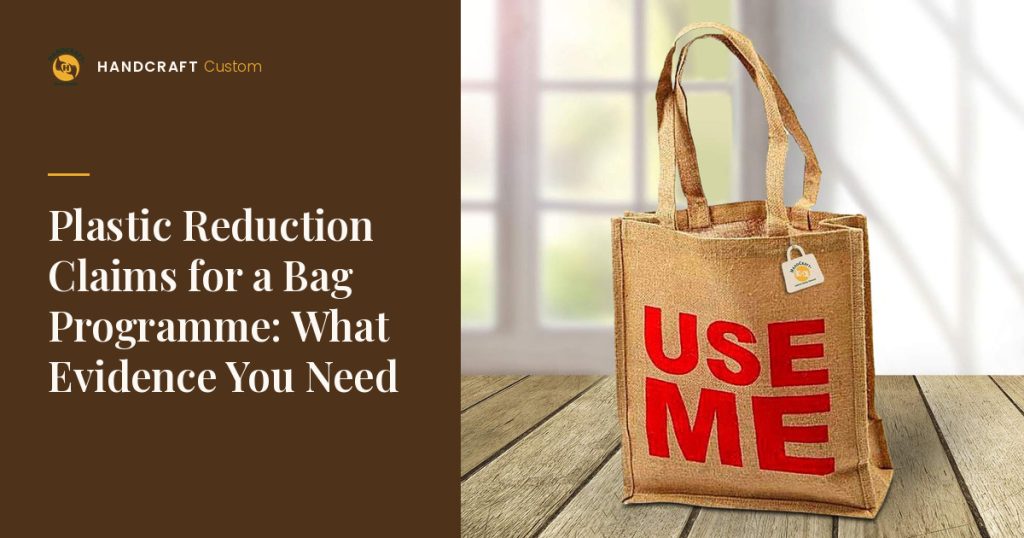
Switching a programme from plastic carriers to jute bags is a real change, but describing its impact needs care. This guide explains what you can claim and what evidence supports it.
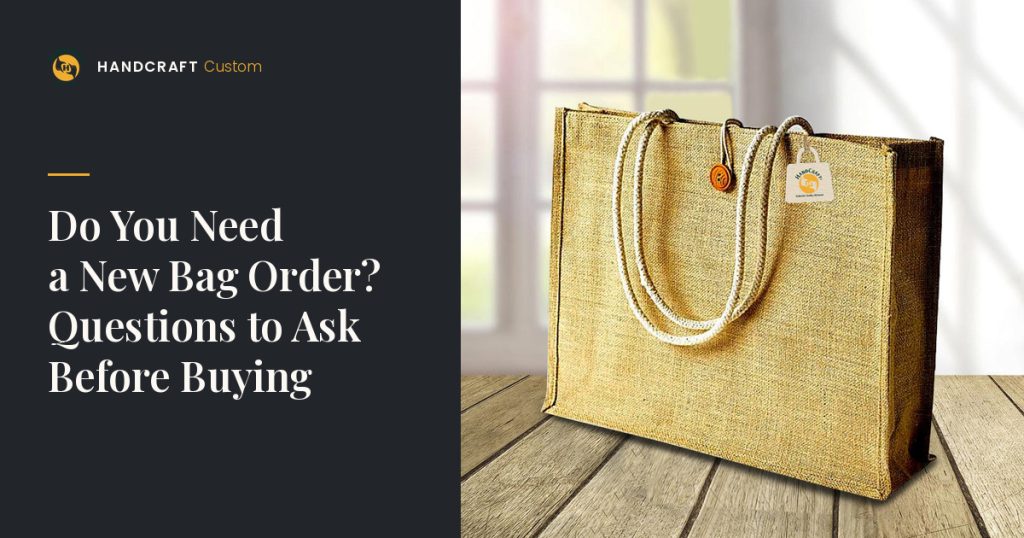
The most responsible bag order is one that is the right size for a real need. These questions help you decide whether you need new bags, how many, and what kind.